


Rotary engines, they've got no torque, they're rubbish.


Registered
Joined: Aug 2008
Posts: 935
Likes: 3


Thread Starter
Registered
Joined: Dec 2007
Posts: 863
Likes: 0
From: UK
No air-con/PAS pump, underdrive pulleys, some intake modifications, tiny flywheel, some slight tidying of the exhaust port castings, standalone management, a proper siamesed LCB exhaust manifold, the silencers are straight through designs, no cat, higher rev. limit, ceramic coated intake with PTFE gaskets to keep the intake temperatures down a little (quite high originally we found), more efficient water pump, a little more charge time on the coils helped too, surprisingly.
Fuel rail was altered to a pass-through to stop the fuel boiling in the rail - there's some heat in that bugger as standard too.
Nothing huge mechanically but lots of little changes.
Fuel rail was altered to a pass-through to stop the fuel boiling in the rail - there's some heat in that bugger as standard too.
Nothing huge mechanically but lots of little changes.




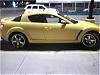


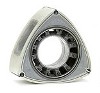


It's a Cavalier
Joined: May 2007
Posts: 1,926
Likes: 5
From: Austin, TX
Not totally sure, but I think I see the slippage problem... There are numerous photons of light passing unobstructed beneath your tires.

So, if when hitting water, it's called "hydroplaning", this is an example of "airplaning"
So, if when hitting water, it's called "hydroplaning", this is an example of "airplaning"

That's rotary engines don't have **** for torque check out this video
http://www.youtube.com/watch?v=O1ZStKvjVTk
http://www.youtube.com/watch?v=O1ZStKvjVTk

It was this big! No lie!
Joined: Mar 2009
Posts: 120
Likes: 0
From: Disneyland!

Thread Starter
Registered
Joined: Dec 2007
Posts: 863
Likes: 0
From: UK
Aw bugger, I knew I shouldn't have converted it to hydrogen...


